









Air Source Heat Pumps
At Icozi we are MCS approved to install Air Source Heat Pumps (ASHPs), but we do really believe it is important before committing to such an expensive heating solution, to thoroughly explore all available options.
Government bodies do strongly advocate ASHPs and are encouraging the heating industry to increase their installation as the “go to solution “. The initial and primary reason for this push was achieving CO² reduction targets. ASHPs are very efficient, have lower energy usage, and contribute to reducing carbon footprints. The problems with government bodies pushing for more ASHP installations are that there’s not enough trained installers and a considerable portion of the UK’s housing stock is unsuitable for ASHP installations.
Homeowners Deserve Better Heating Guidance
Making matters worse for homeowners is the lack of guidance on any viable alternative solutions. Currently and especially if any Government grant or funding is involved when an ASHP cannot be installed, the default approach by suppliers often seems to be to just move on to the next property.
Our Product Ranges

High Heat Retention Storage Heaters
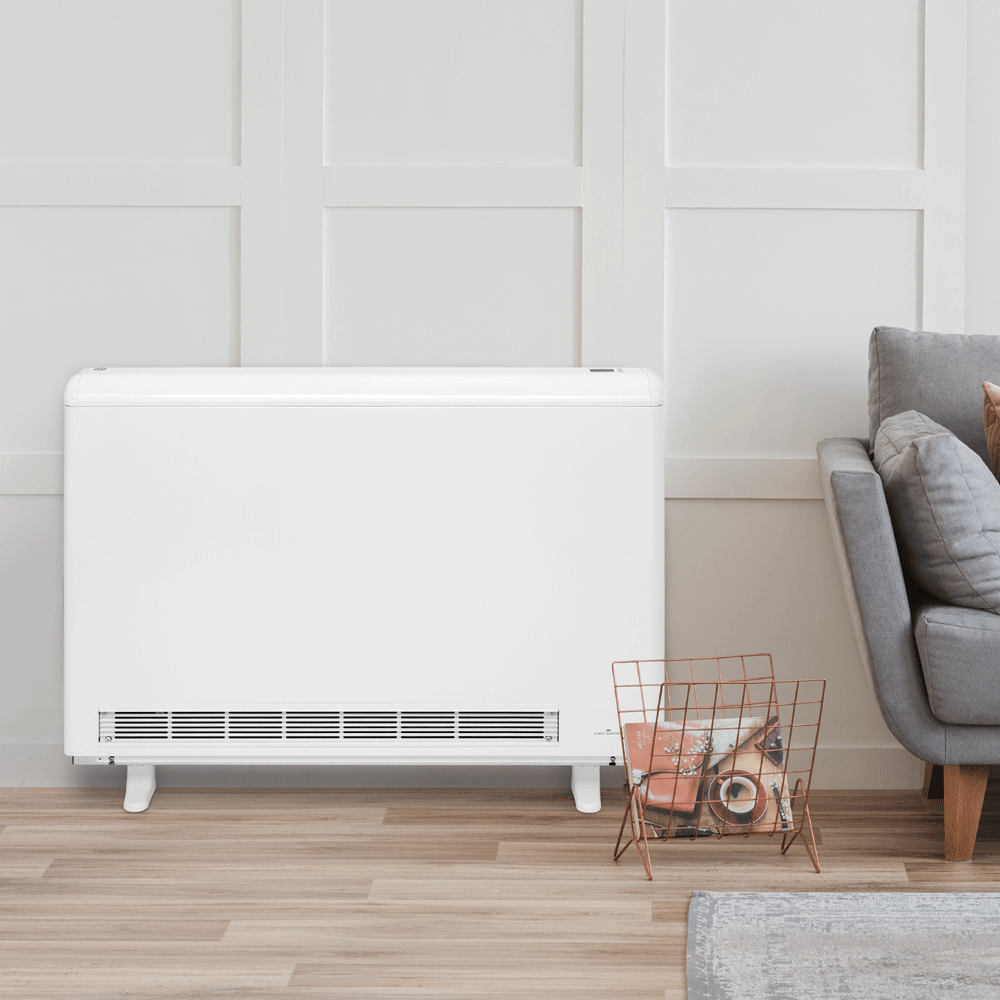
HHR PLUS WIFI & Solar Storage Heaters
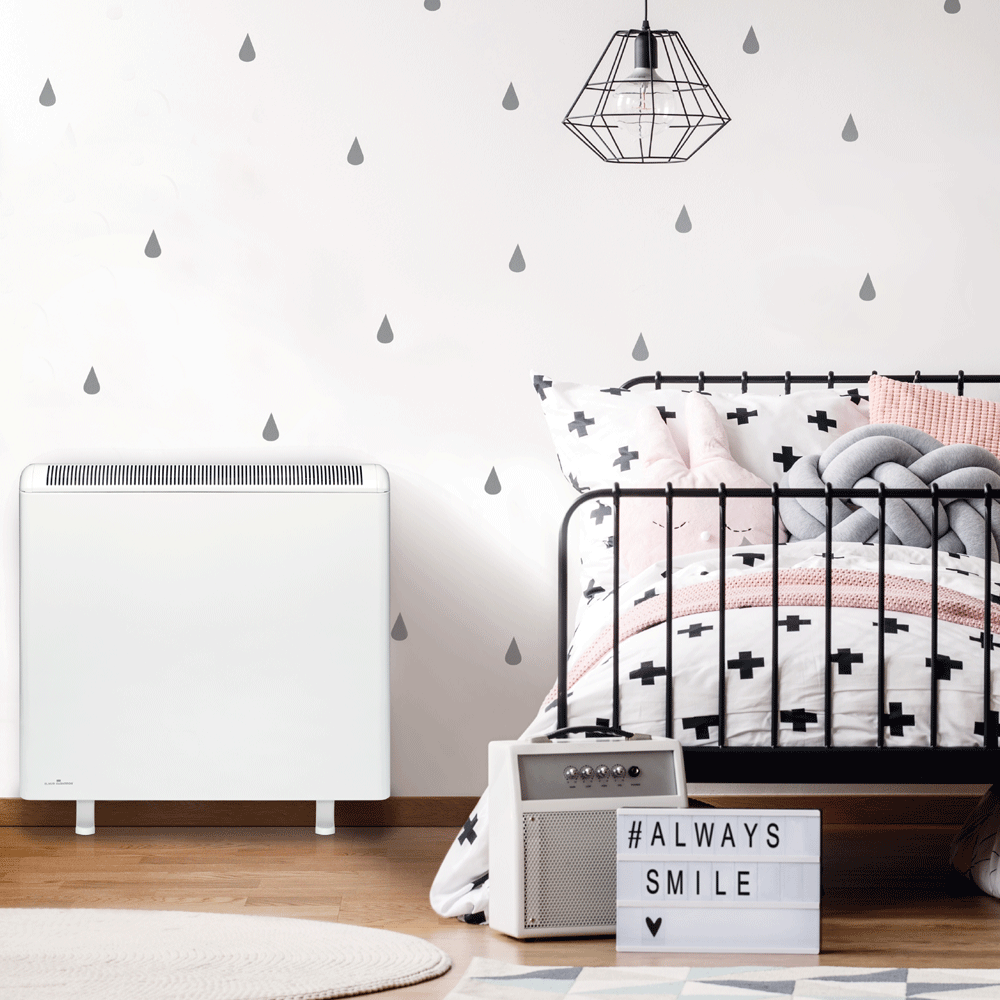
SSH WIFI Smart Storage Heaters

RXE Dry Technology Electric Radiators

WR Eco Fluid WIFI Electric Radiators
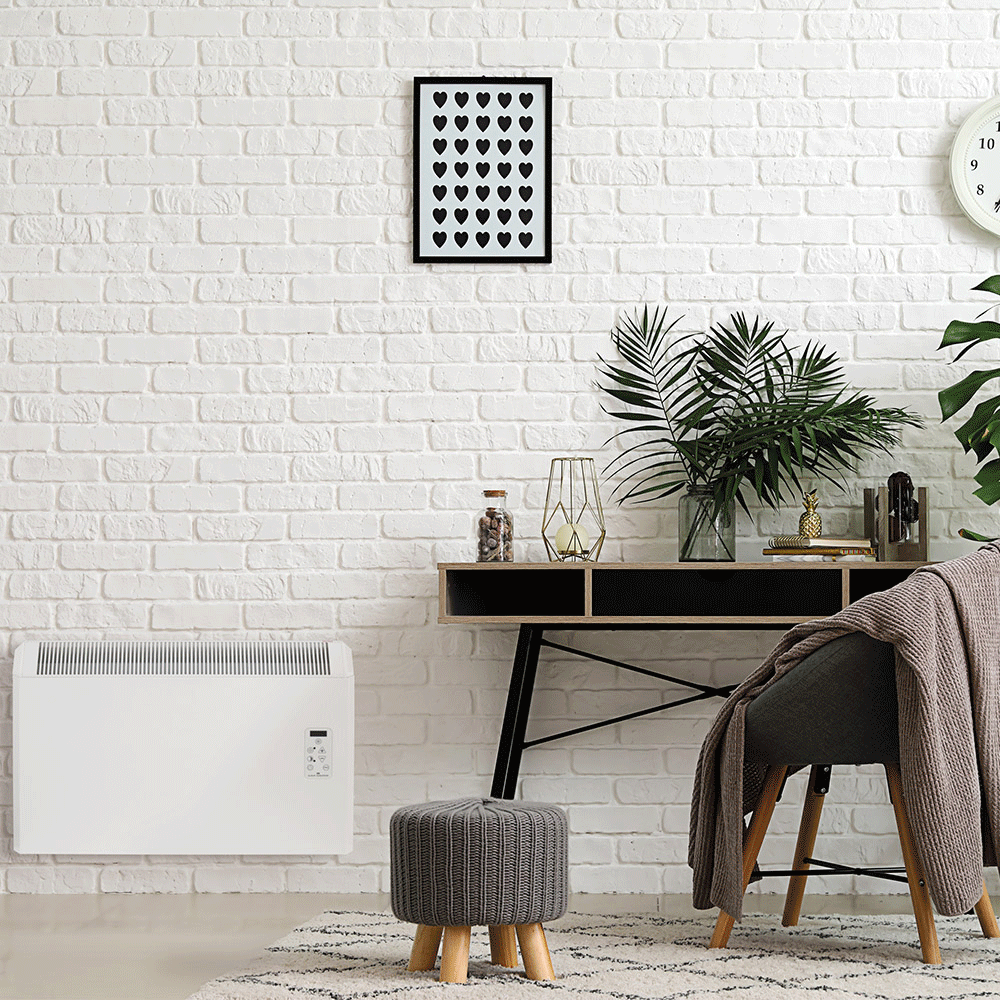
BA Programmable Panel Heaters
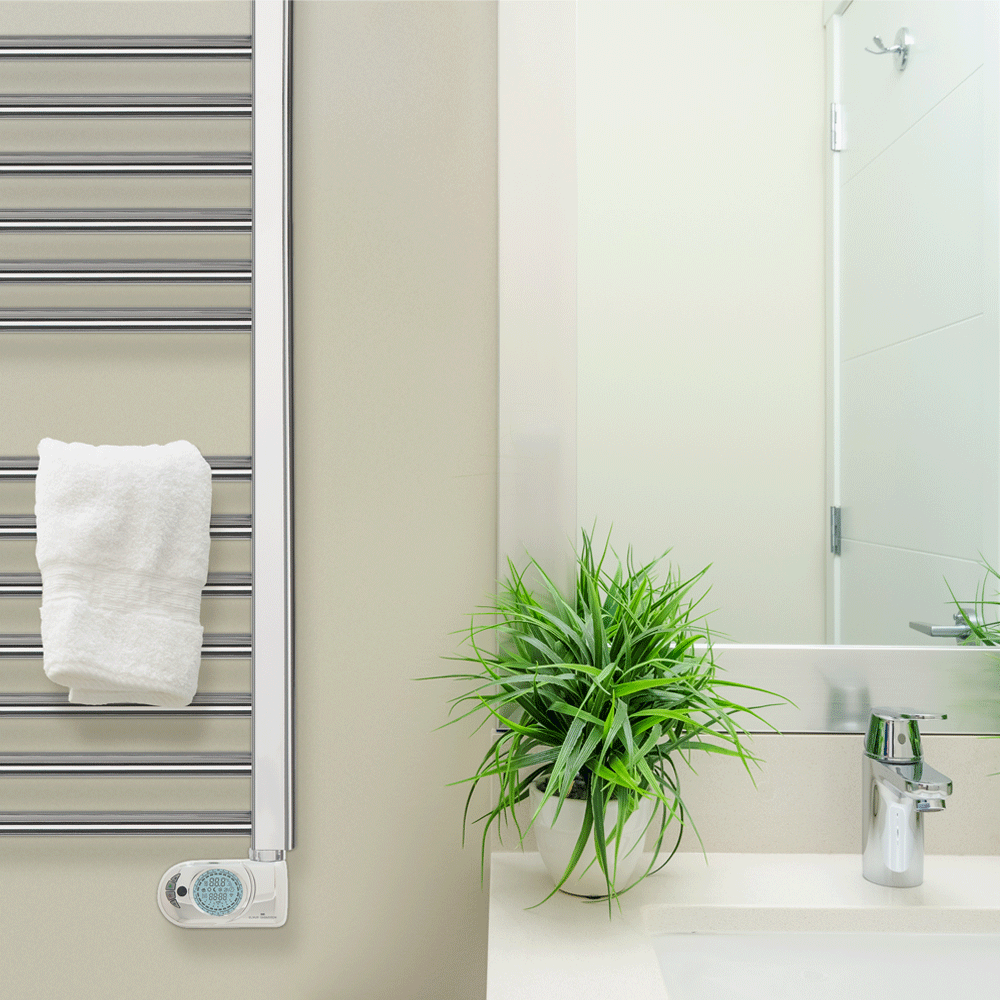
BC Range of Electric Towel Rails
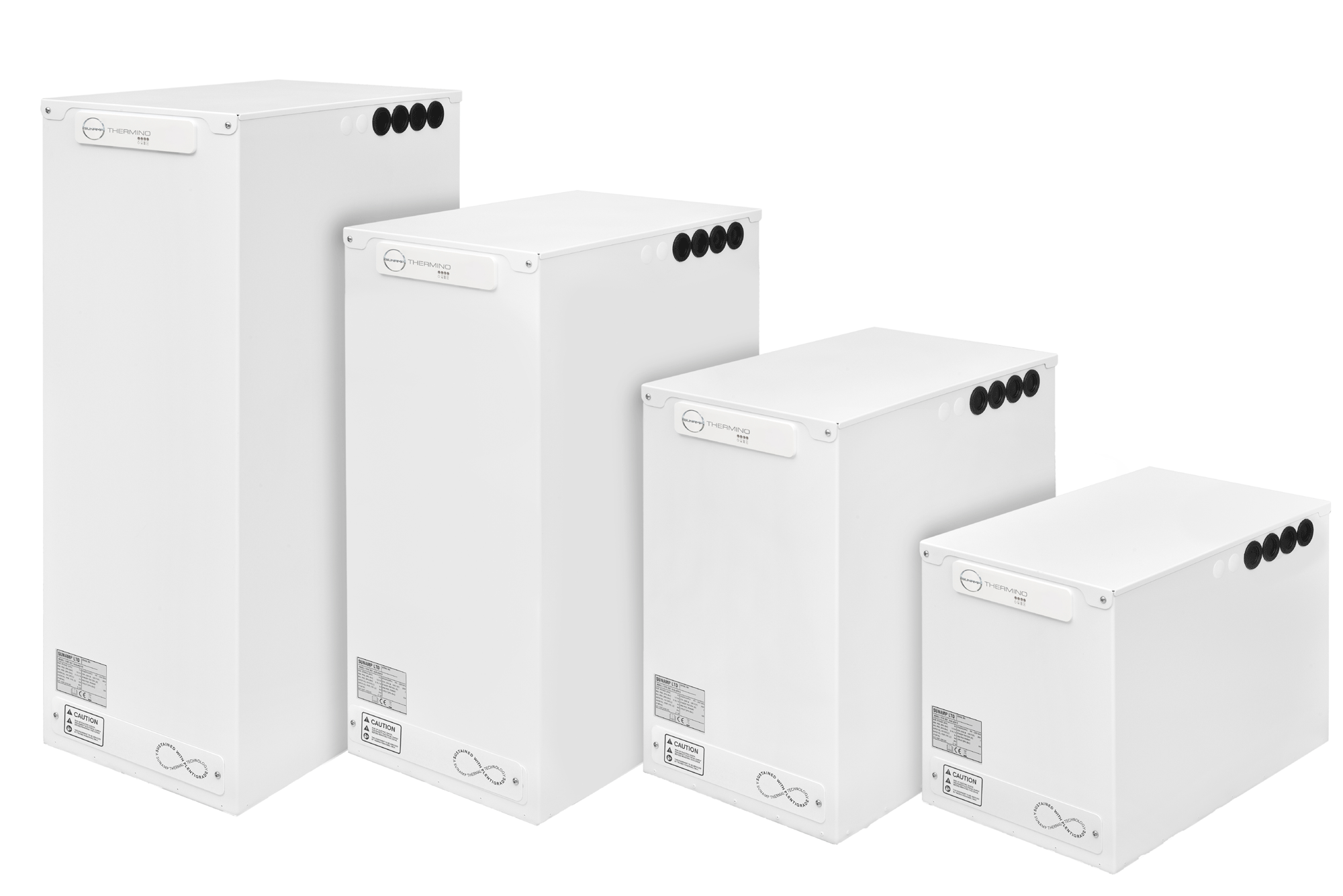
TE Sunamp Thermal Stores

MA Range of Electric Boilers

What are alternatives?
There are alternative solutions to ASHPs that still help to reduce CO² levels, but which may also o er better running costs. The long established electric heating manufacturer Elnur Gabbaron has done a great deal of research into alternatives and options that can provide comparable or superior performance in both emissions’ reduction and cost efficiency?
Elnur can o er ASHPs themselves but the answer when looking for an alternative to an Air Source Heat Pump is High Heat Retention (HHR) storage heaters and the next generation Solar High Heat Retention storage heaters. Both types are available through iCozi.
A Service You Can Trust
A closer look into ASHPs shows that government bodies often highlight and promote the CO² reduction benefits but overlook the potential implications for running costs and fuel poverty. While the importance of CO² reduction clear, it is equally crucial to consider the wider context.
Over 6 million households in the UK currently experience fuel poverty and a widespread adoption of ASHPs could potentially make this issue even worse. So alongside the environmental benefits, it is important to evaluate the overall operating costs for properties on which ASHPs are installed.
A Like-for-Like Comparison
The Elnur analysis compared four heating options: Air Source Heat Pumps (ASHPs), Electric Boilers, Panel Heaters, and HHR storage heaters. While both ASHPs and combination Electric Boilers have water heating capabilities, for the purpose of this comparison and to ensure a fair comparison, they evaluated the ASHP without a hot water cylinder and used a system boiler rather than a combination boiler for the Electric Boiler. This approach focused solely on each product’s heating performance.
Model Property Analysis
The property example used was a 3 Bedroom Semi Detached 89m² property with an EPC equivalent to level C for the comparisons. Calculated was an annual heat loss heating demand of 8751 kWh/year for the property (as per rdSAP heating season / October to May calculated as 56 hours per week for 34 weeks.).
In the first chart the four comparison options are shown, displaying the energy e ciency according to SAP, the annual CO² emissions, the annual energy usage (kWh) and the annual energy cost (based on single, dual and the new ASHP tari s). It is important to note that all options shown are based on heating only, ensuring a fair comparison across all products.
Single Tariff at 25p/kWh All Day Rate
Dual Tari ff at 28p/kWh Day Rate / 14p/kWh O -Peak Rate
ASHP Tariff at 23p/kWh Day Rate / 11p/kWh O -Peak Rate / 33p/kWh
Peak Rate EV Tari ff at 27p/kWh Day Rate / 8p/kWh O -peak (5 hours)
Beyond 15-Year Estimates
Unlike many other comparisons that present cost estimates over a 15-year period, which can often raise more questions than they answer, this chart focuses on the key factors that matter most: CO² emissions, energy usage, and energy costs, using annual data, to emphasise the essential points of each heating option.
Additionally, it is important to note that both ASHPs and HHRs may be eligible for subsidies through Government grant schemes, that iCozi are not party to, which can reduce the initial cost or even provide the option for free.
However, if you prefer the comparisons over a 15-year period, including the replacement cost after such time, please see the following chart.
Informed Decisions Start with Expert Advice
At iCozi we believe it is important to o er as much information on the full range of electric heating options and our team will be happy to advise when doing your free survey including in general terms what Government Grant options may be available to you. Arrange a free survey to make an informed choice about your new home heating
Frequently Asked Questions
What is a High Heat Retention Storage Heater?
A High Heat Retention storage heater is a new style of storage heater that gives you increased efficiency, an easy-to-use display and the ability to save up to 30% compared to your old manual storage heaters.
What if I thought of some questions after my technical survey?
That’s not a problem. We have provided some space for you to write any questions you might want to ask us. You can either call 0800 048 9301 or ask us when we call back to give you your quote.
What if I want to change from storage heaters to electric radiators?
Our electric radiators are highly efficient and those in our main range are oil-filled with full programming, a built-in thermostat and optional Wi-Fi control. We don’t use old technology like electric ceramic or clay core radiators. We only supply and install premier electric radiators. During our free survey, we would advise if removing Economy 7 night storage heaters and replacing them with electric radiators is better for you. Sometimes it may be best to use a combination of the two.